


Your product. Your specifications. The possibilities are endless.
For more applications of graphene heating film, please free to contact with PMA team.

Flexible heating films are increasingly used in products where conventional rigid heating elements are difficult to integrate. Their thin construction allows them to fit into clothing, cushions, wearable devices and other products with limited space.
However, the flexibility of a material is only one consideration. Manufacturing accuracy, electrical connections and mechanical durability also influence the performance of a finished heating product.
Heating films often require specific shapes and dimensions to fit the product in which they will be installed. Cutting and processing must therefore be considered during the design stage.
Laser cutting can provide accurate shaping for suitable flexible materials. The process needs to be matched to the film's substrate and conductive structure, because unsuitable settings may cause thermal damage or affect the material's properties.
Other processing methods may be more appropriate for certain film constructions. The choice depends on the materials, production requirements and intended application.
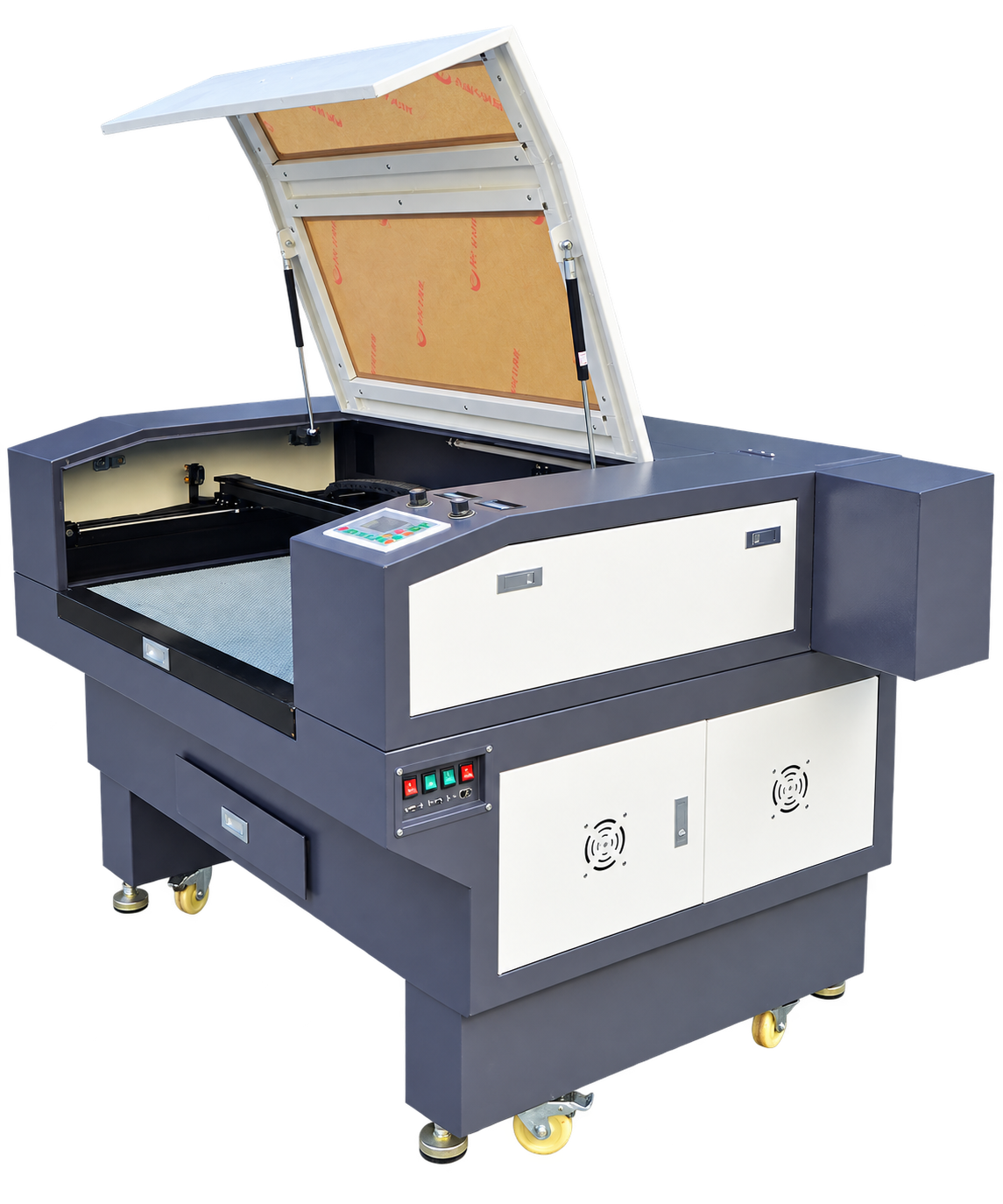
Laser cutting equipment for precision material processing.
After shaping the heating film, attention turns to electrical integration. The conductive layer, electrodes, wiring and protective construction must work together as part of the heating system.
Electrical resistance and contact quality are particularly important. Changes in resistance may affect the power delivered to the heating element, while poorly designed connections can create reliability problems during repeated movement.
Heating performance should be evaluated under the intended operating conditions, including the selected voltage, installation method and temperature-control arrangement.
Heating films used in wearable products may experience repeated bending during normal use. This places mechanical stress on the conductive layer, electrical connections and surrounding materials.
Bending tests help engineers examine how flexible structures respond to mechanical movement. Depending on the test requirements, engineers may monitor changes in resistance, inspect the film structure and evaluate the integrity of electrical connections.
Test conditions such as bending radius, cycle count and movement direction need to reflect the expected use of the product. Passing one test does not automatically establish reliability under every operating condition.
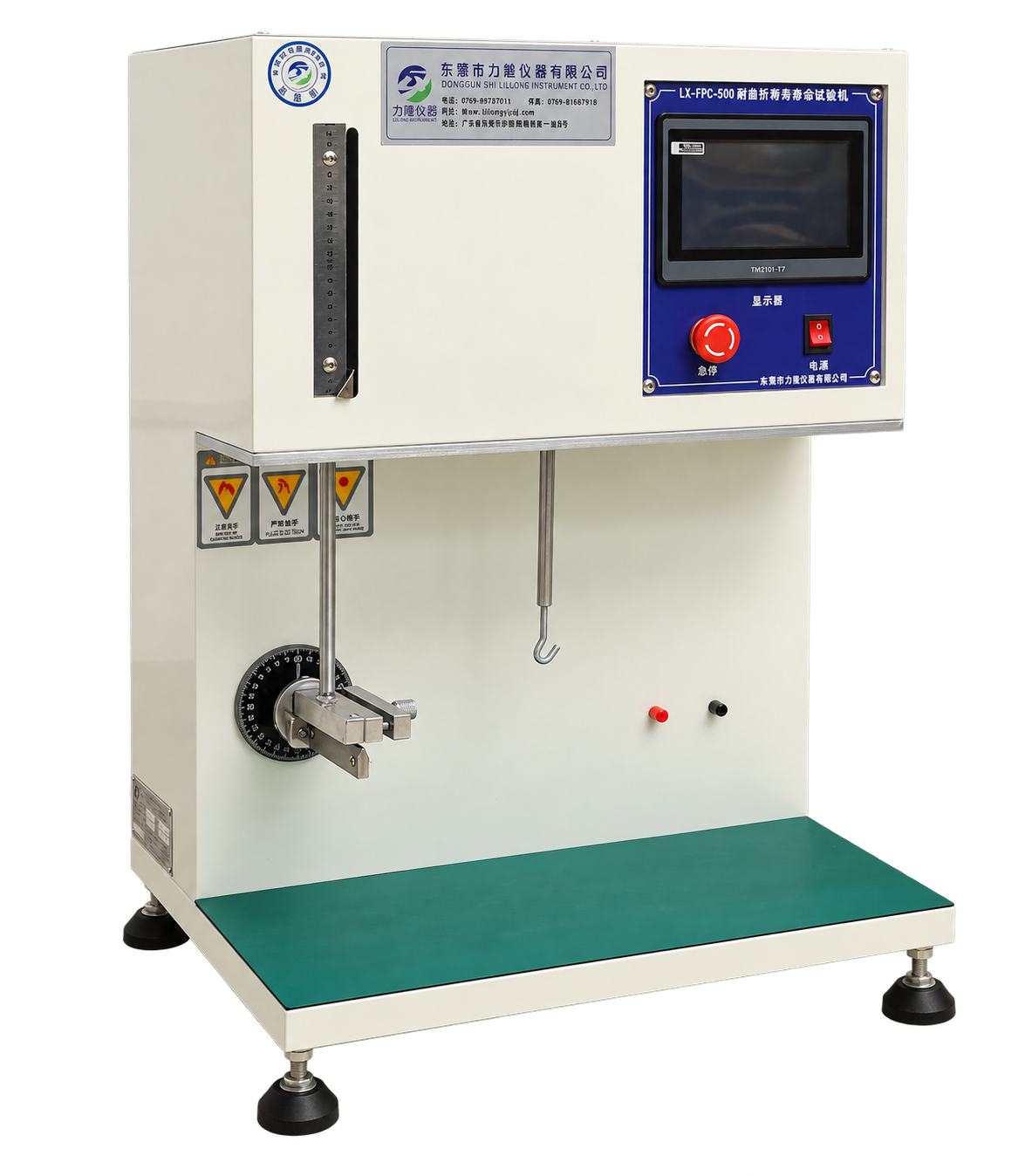
Bending test equipment for flexible material reliability evaluation.
For manufacturers developing flexible heating products, material selection and product design should be considered together.
Important requirements include the available power supply, heating area, film dimensions, electrical connections, insulation and expected mechanical movement.
These factors influence how the heating element is manufactured, assembled and tested before integration into the finished product.
PMA Group develops graphene-based flexible heating materials for applications in textiles, household products, wearable heating systems and customized OEM/ODM projects.
Our development work covers material structures, heating-film design, electrical integration and product testing, with specifications selected according to project requirements.
For a more detailed discussion of manufacturing and reliability testing, read our technical article on flexible heating films.

Тел : +8613655697032
Whatsapp : +8613655697032
Электронное письмо : info@pmagraphene.com
Адрес : 16th PMA Building, No. 1201, Huguang East Road, Shushan District, Hefei, Anhui, China


